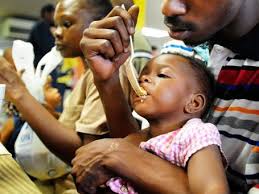
Save The children

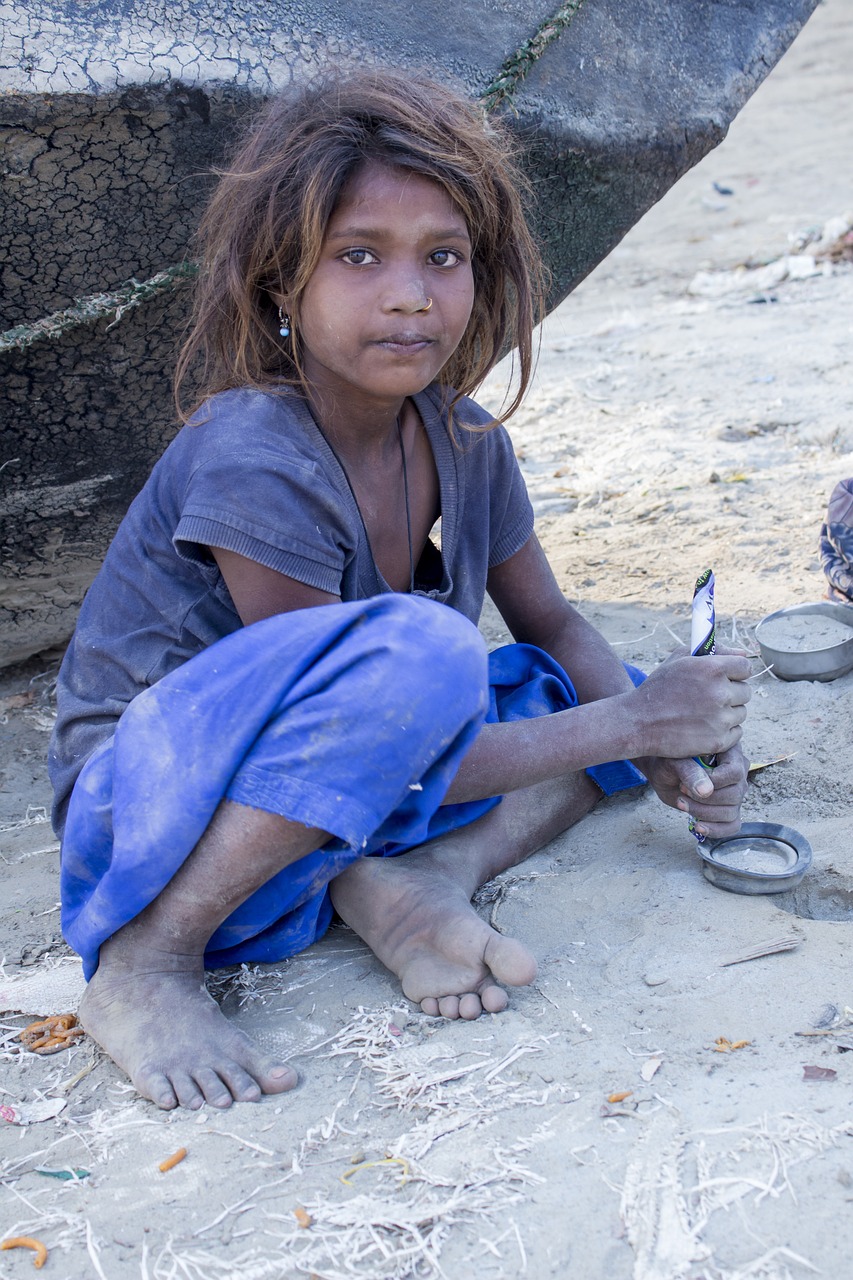
There are endless ways that you can raise funds to support children in desperate need. Whether it’s an athletic challenge, a special occasion, or your own unique creation, you can make a big difference in a child’s life…and have a great time doing it.
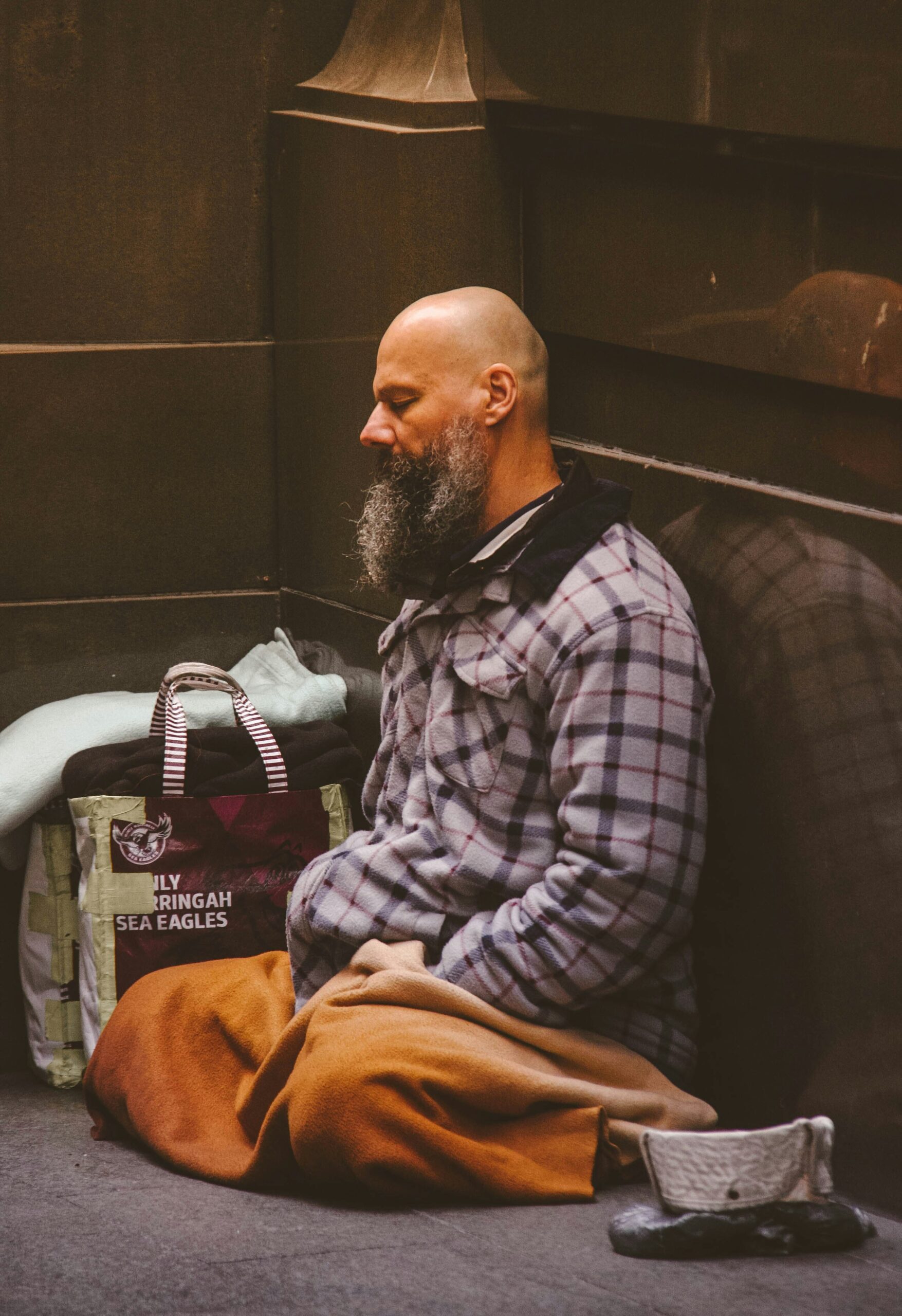
Help The Helpless

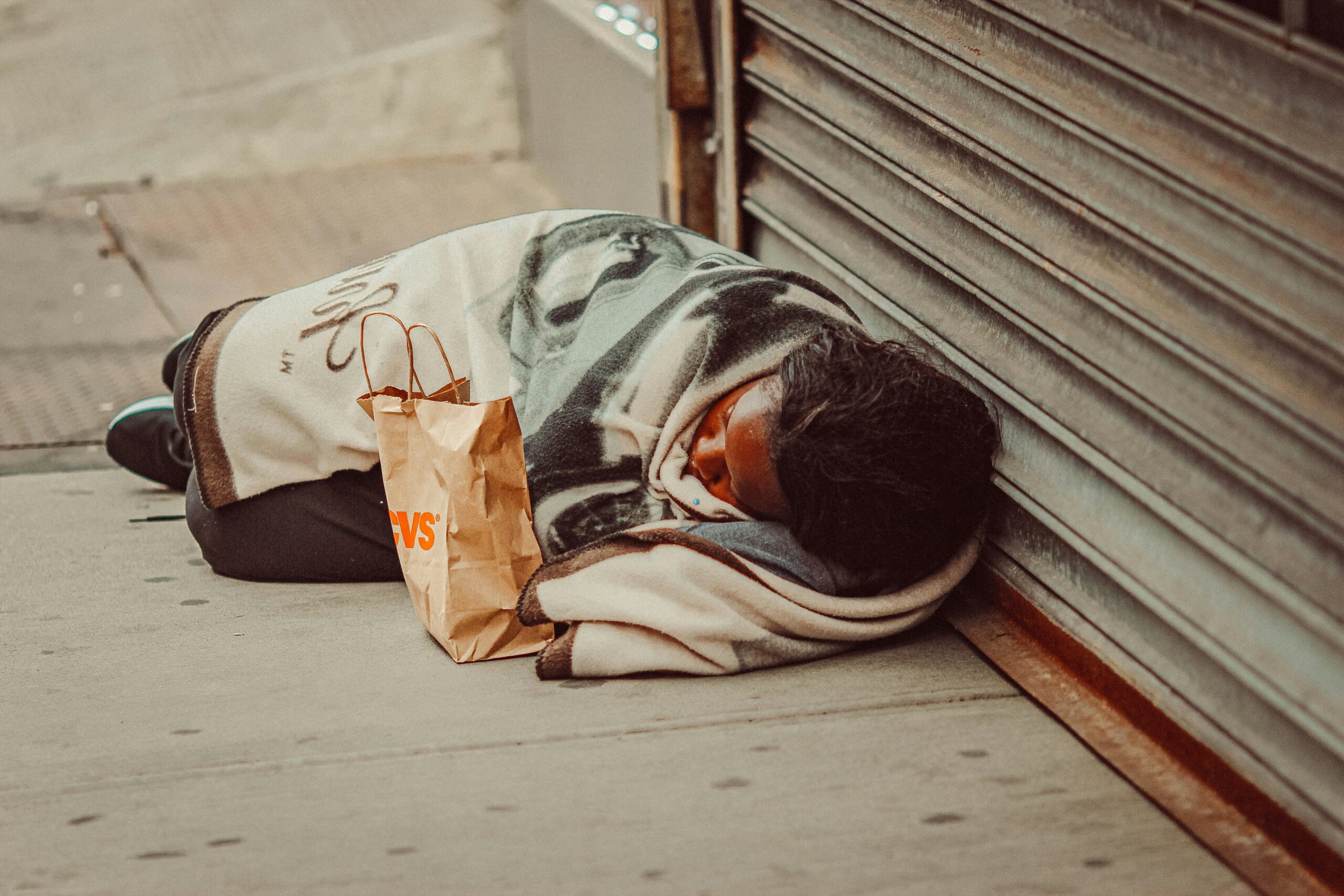
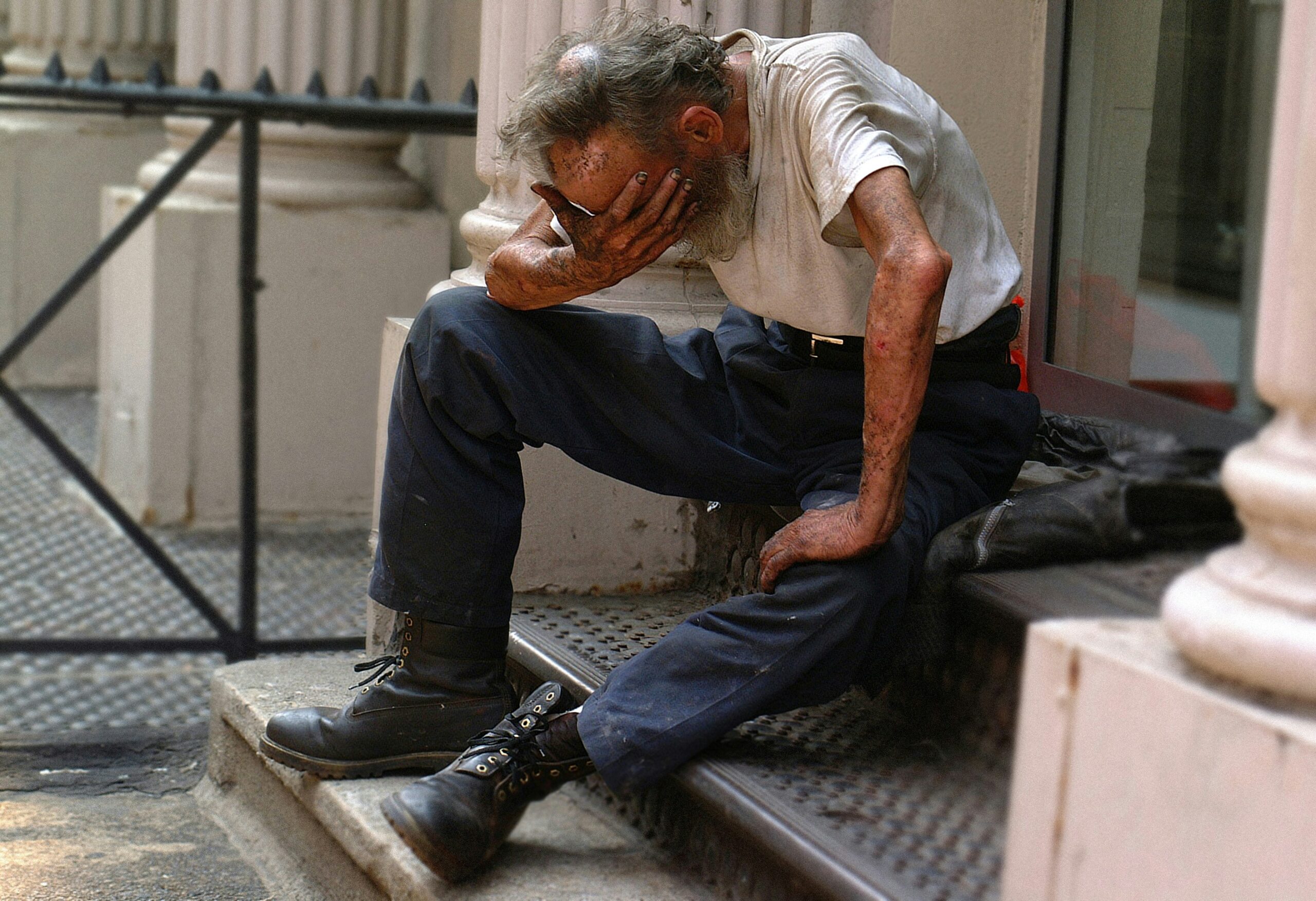
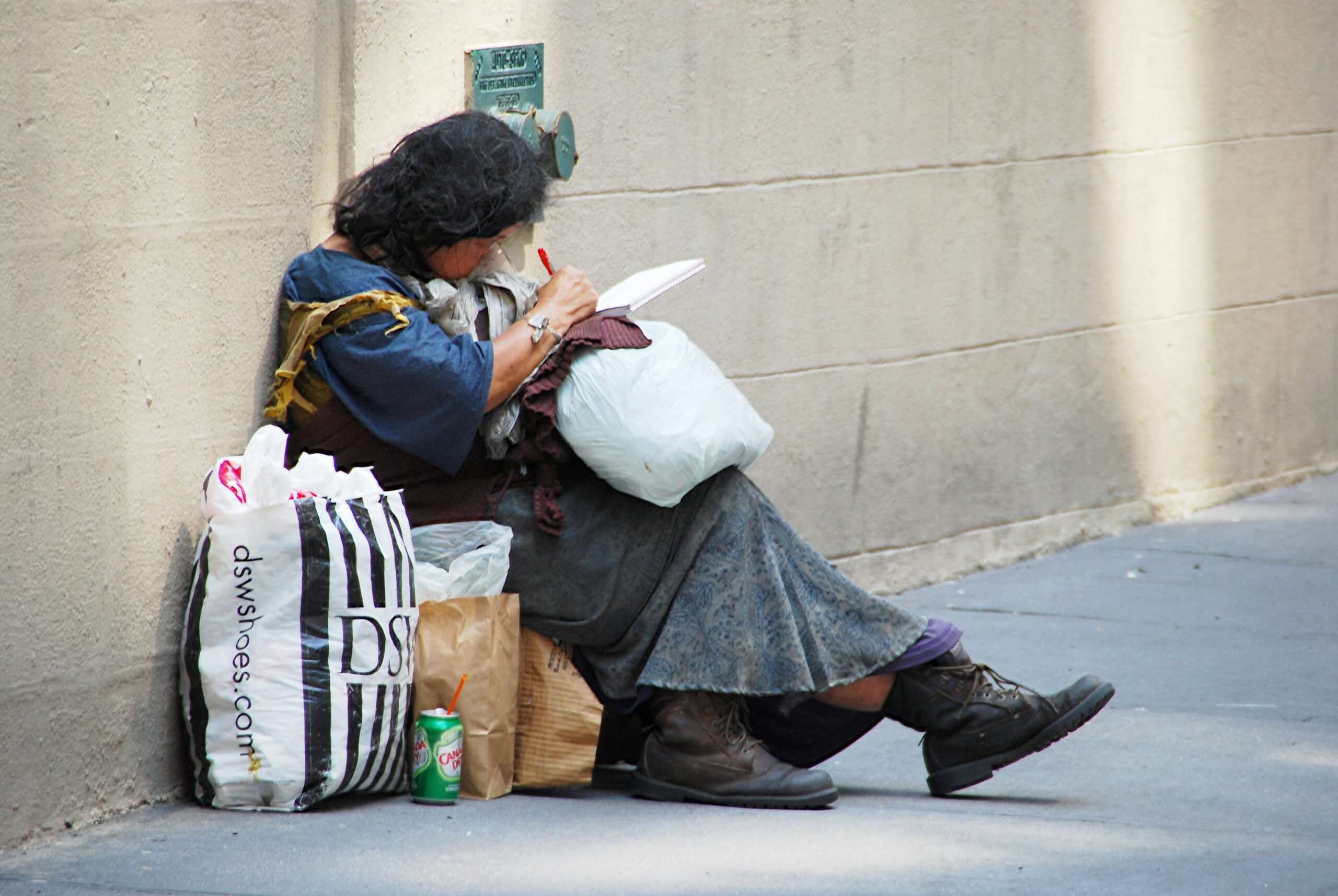
The first factor that explains variation in homelessness across the United States is the high cost of housing in certain areas, in large part due to regulations that drive up home prices above the cost to produce a home. Over-regulation of housing markets shifts the supply of homes inward, increasing home prices and homelessness.

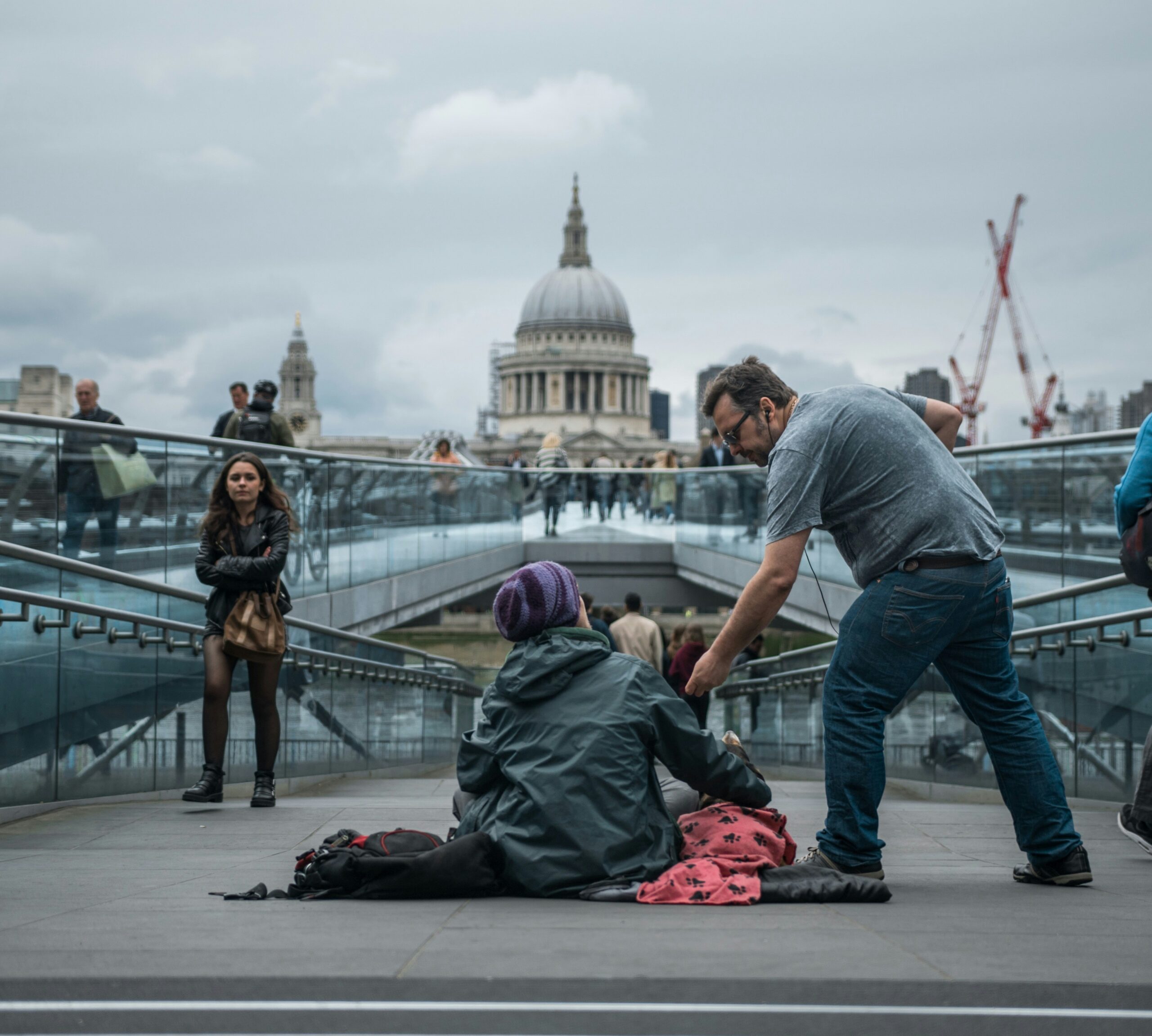
Donation for poor

Our team helps communities prepare and protect the most vulnerable among us during disaster – children. We help generate child-focused emergency plans and provide emergency training and resources in advance, helping keep kids safe.

Shelter In Crisis Situations

Evacuation shelters can be scary places for kids, which is why we offer our disaster-tested child-friendly spaces, which provide safe and protective play areas for children, and respite for parents so they can start their own recovery process.

Educating Our Children

Our innovative U.S. education programs provide early learners with unique opportunities, including Early Steps, Early Head Start and Head Start. Globally, we ensure children develop foundational skills in the early years, learn to read by third grade and that no child’s learning stops because they are caught up in crisis.

Donate for Children

Thanks to the generosity of donors like you, we help the nation’s most vulnerable children become ready for kindergarten – and excel by third grade – so they can succeed in school and in life.

Home for Homeless

On the basis of this supply and demand framework, we consider four major drivers of homeless populations: (i) the higher price of housing resulting from over-regulation of housing markets; (ii) the tolerability of sleeping on the street (outside of shelter or housing); (iii) the supply of homeless shelters; and (iv) the characteristics of individuals in a community that make homelessness more likely.